We have successfully completed the entire electrical and energy infrastructure for the Phase 1 buildings of Hitit University’s North Campus—which will be home to future academics and thousands of students—using Öznet Elektrik’s expertise. In this massive campus-scale project, we connected all independent units—from faculty buildings to the indoor sports arena, and from the central dining hall to the technical infrastructure centers—through a holistic and seamless engineering architecture.
Electrical Infrastructure, Energy Distribution, Technical Systems
Project Scale
Phase 1: Campus and Educational Facilities
Critical Areas
Faculties, Central Cafeteria, Indoor Gymnasium
PROJECT DETAILS AND TECHNICAL INFRASTRUCTURE
Campus projects require the integration of structures with a wide range of energy needs—from lecture halls to laboratories, and from industrial kitchens to massive sports arenas. In the Hitit University North Campus project, an electrical system fully compliant with TSE standards was designed to support energy continuity, maximum life safety, and the vision for future growth.
Our Field Applications and Deployed Systems:
On-Campus Energy Distribution and Infrastructure: The main power supplies, central distribution panels, and power factor correction systems for the separate educational buildings and social facilities were installed on a turnkey basis, with a focus on optimal load balancing and energy efficiency.
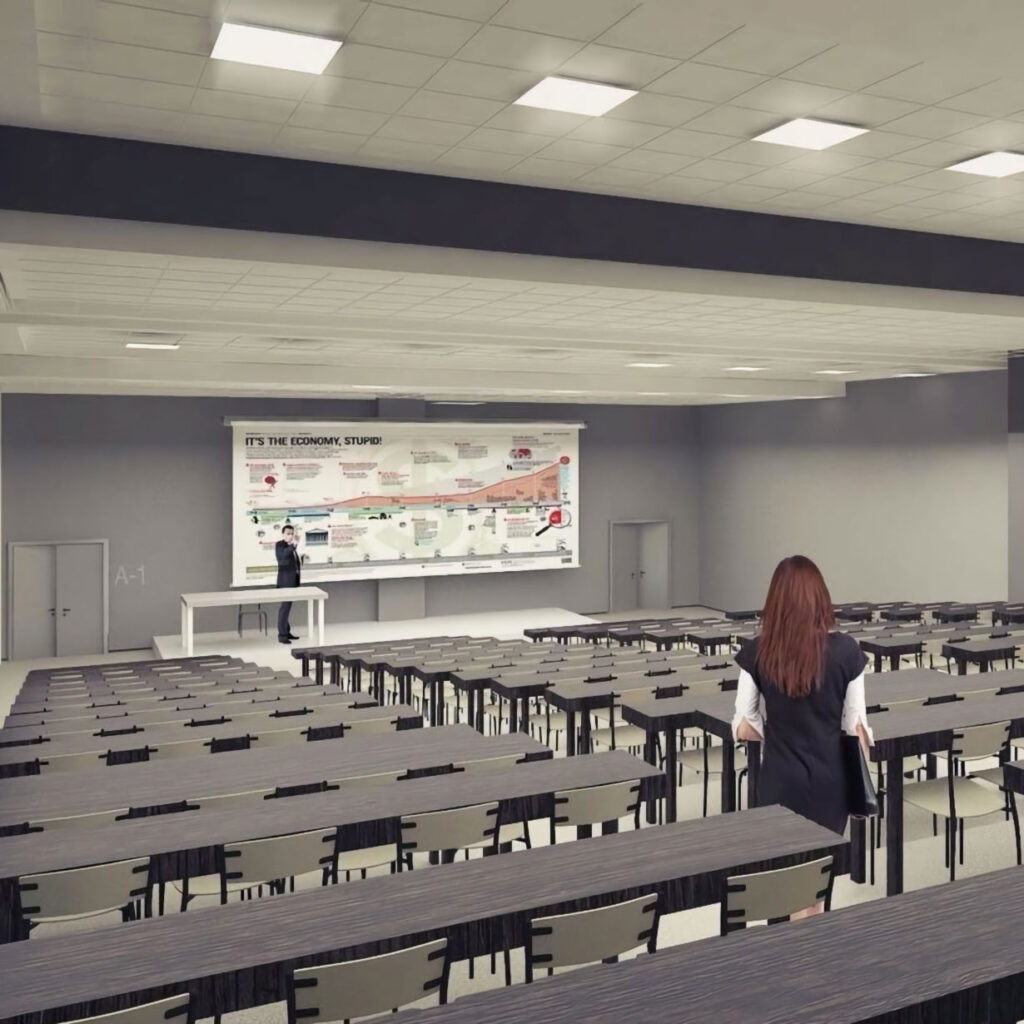
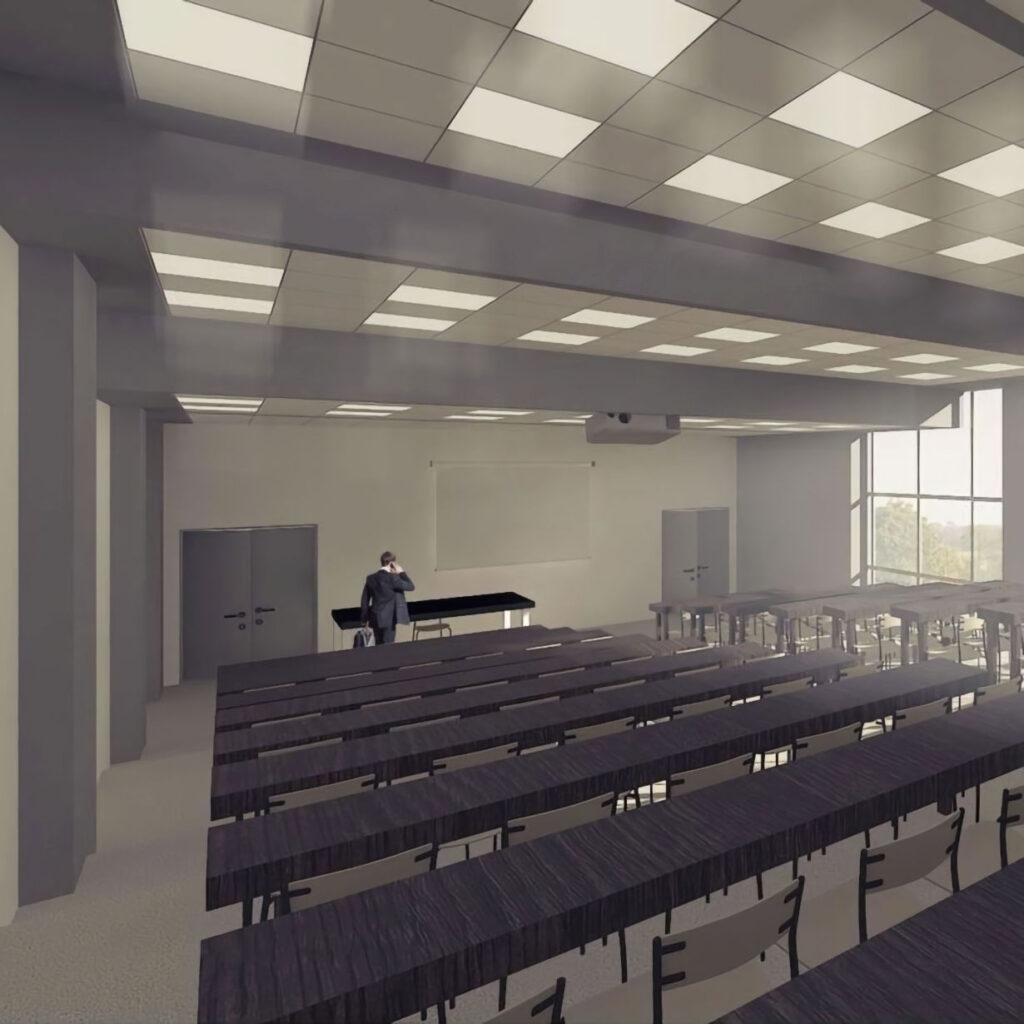
Educational Facilities and Classrooms: Aesthetic lighting designs that help students concentrate have been implemented in the academic buildings; a dedicated, secure, and uninterrupted power infrastructure has been established for laboratories and smart board systems.
Electrical System of the Central Cafeteria: All electrical power supplies, panel connections, and automation wiring required for the industrial kitchen equipment, massive cold storage rooms, and heavy-duty mechanical ventilation systems (HVAC) serving thousands of people have been fully commissioned.
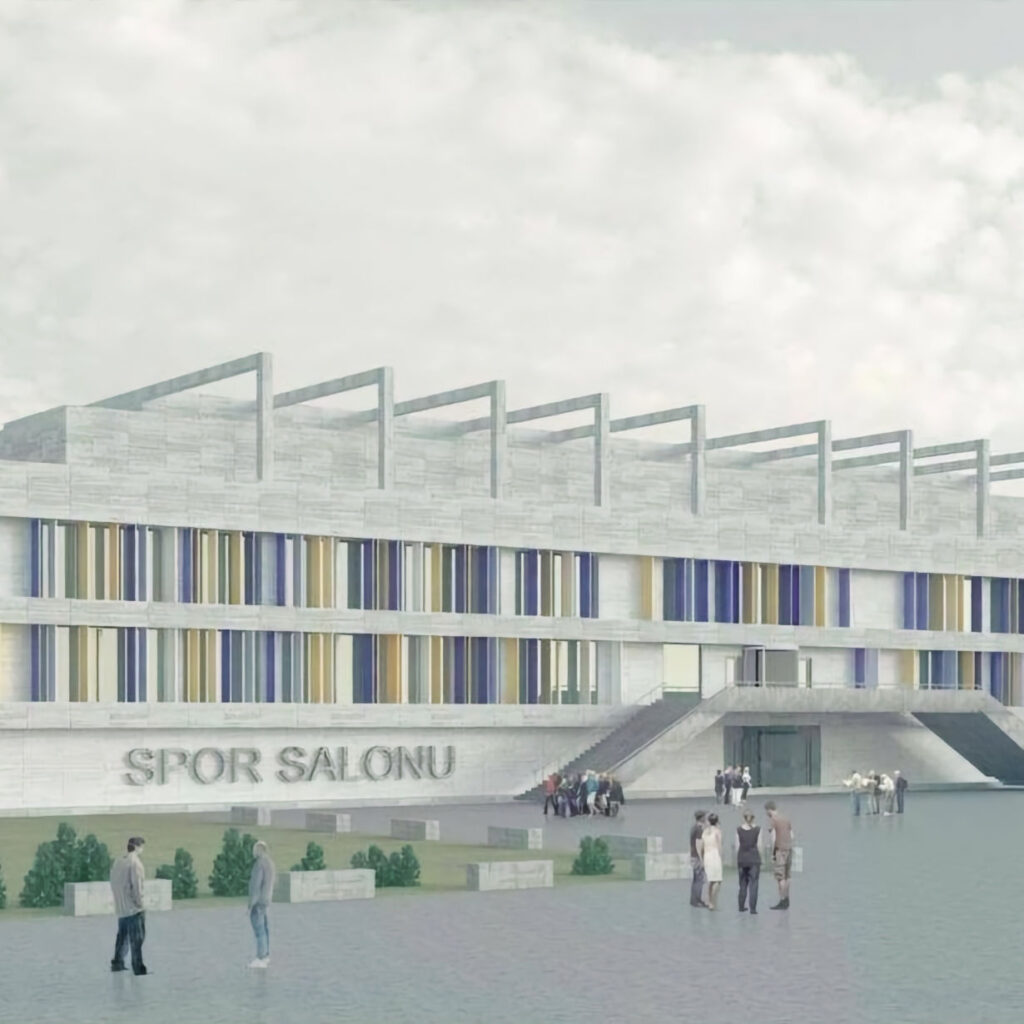
Indoor Sports Hall: Lighting fixtures that comply with high-ceiling lighting standards and provide uniform light distribution have been installed. In addition, the scoreboard, sound systems, and emergency wayfinding infrastructure—all of which are vital for competitions—have been reliably installed.
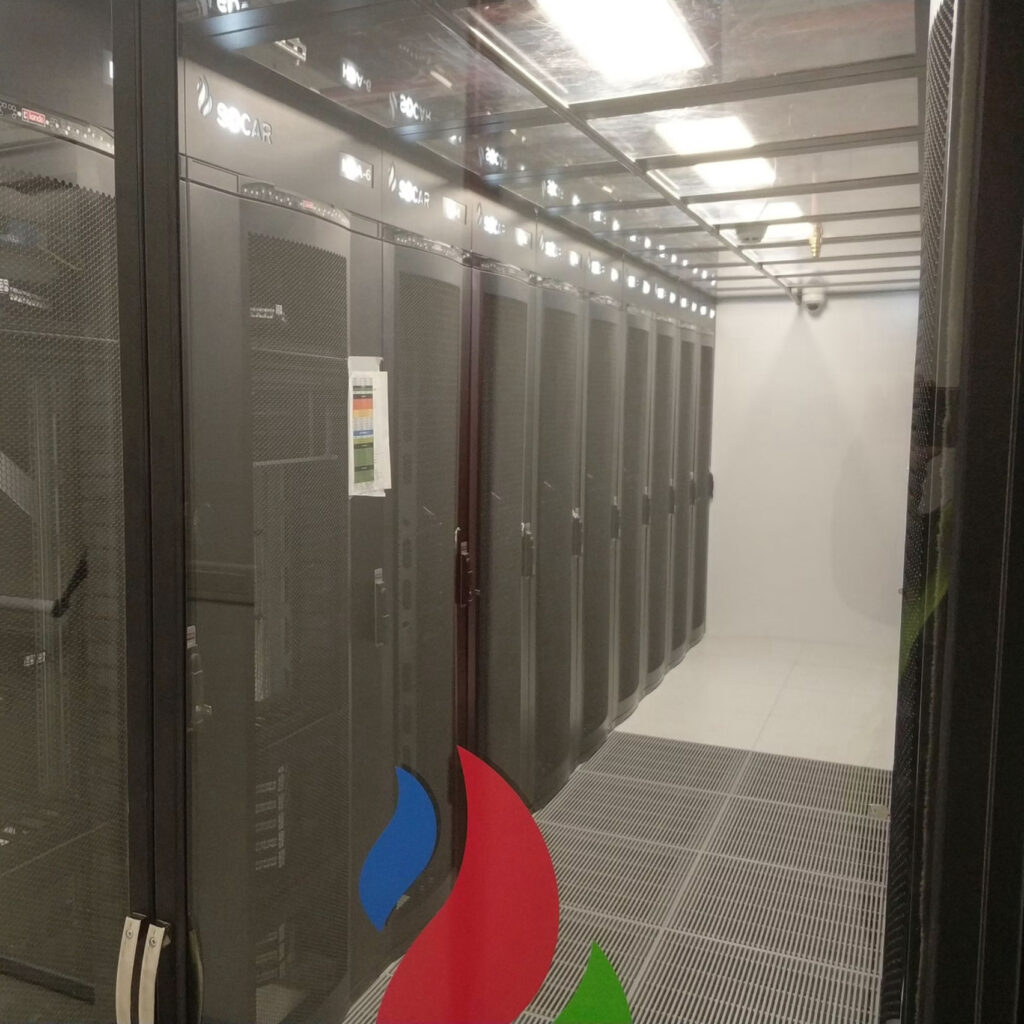
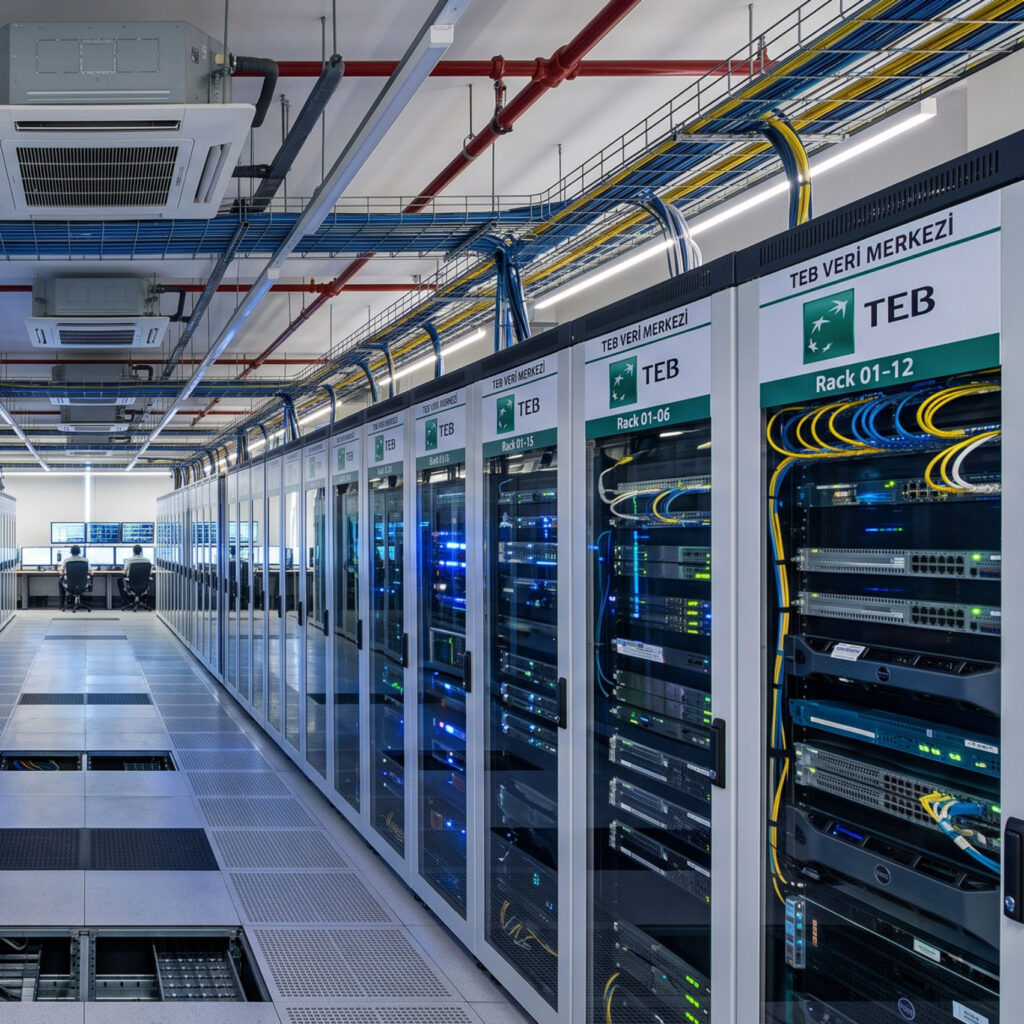
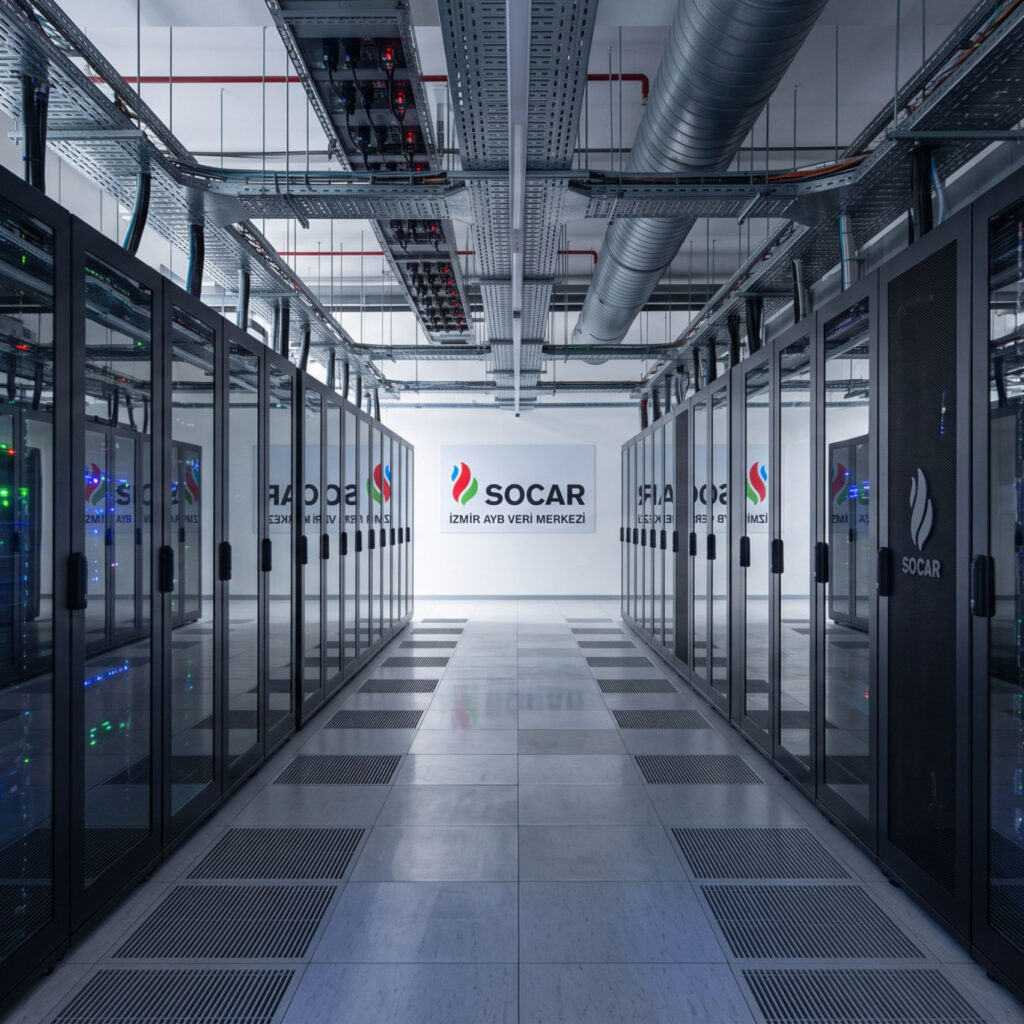
Low-Current and Comprehensive Security: All inter-building communication networks, structured cabling, public address systems, smart fire detection, and CCTV (security camera) infrastructure are integrated so that they can be managed from a single central location.