



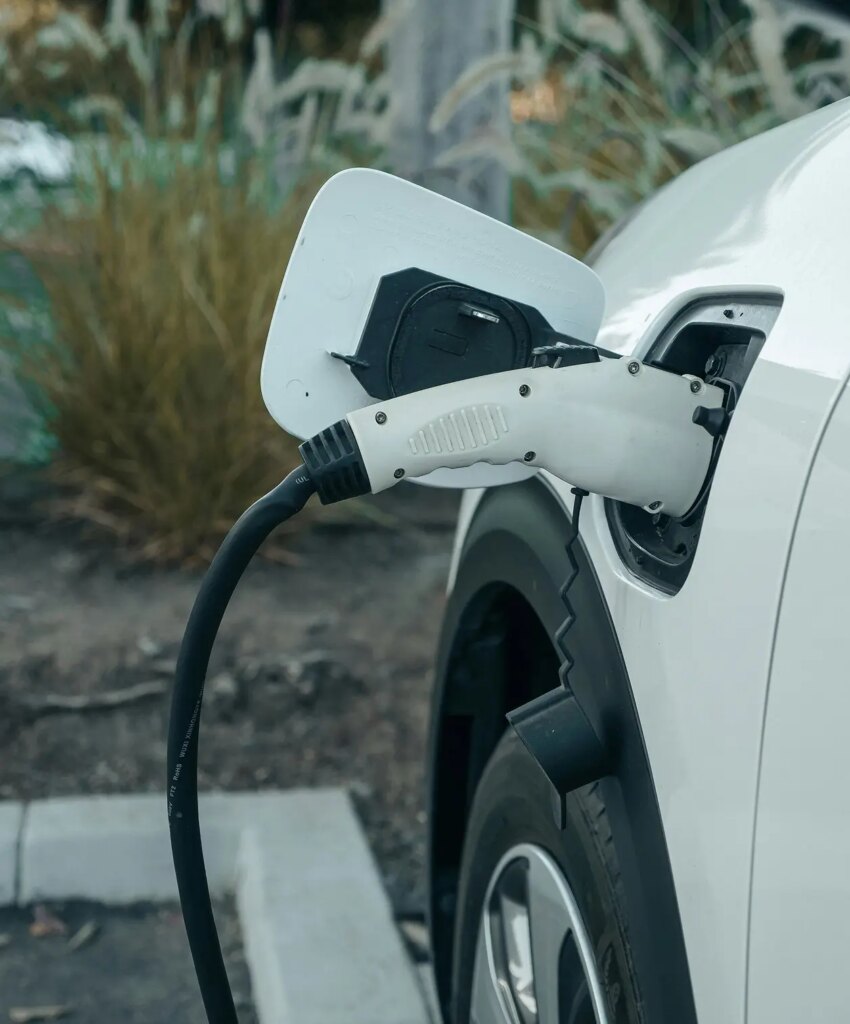
As the electric vehicle (EV) revolution continues unabated, one of the most important issues for both individual users and commercial businesses is the charging infrastructure. When you decide to install a charging station to charge your electric vehicle at home, in your apartment complex, or at your workplace, you’ll face two main options: hardwired and plug-in chargers.
So, which one is best suited to your needs and your electrical infrastructure? In this article, we examine the advantages of both models, their technical differences, and the critical engineering details you should consider when making your choice.
Plug-in Chargers: Flexibility and Portability
Advantages:
Flexibility: You can plug the device in and unplug it. If you're planning to move or need to take the device to another location, you can unplug it and take it with you.
Easy Exchange: If the device breaks down or you want to upgrade to a newer model, you can replace it yourself without needing an electrician, provided your existing electrical outlet setup is compatible.
Disadvantages and Technical Limitations:
Power Limit: Due to safety standards, plug connections are generally limited to a maximum of 40 amps. This may prevent you from reaching the maximum charging speed your vehicle is capable of.
Risk of Wear and Overheating: The physical connection between the outlet and the plug can become dusty, loose, or worn over time. Because of the high current draw, loose connections can cause arcing (sparks) and overheating, creating a fire hazard.
Outdoor Vulnerability: Plug-in systems may have difficulty providing complete protection against external factors such as rain, snow, and dust. For this reason, their use outside of enclosed garages is not highly recommended.
Hardwired Charging Stations: Maximum Power and Reliability
Advantages:
Faster Charging Speed: Thanks to the direct and uninterrupted connection, power outputs of 48 amps or higher can be achieved. This means your vehicle will charge much faster than with plug-in models.
Maximum Reliability and Security: Since there is no direct connection between the outlet and the plug, risks such as poor contact, oxidation, or a loose plug are completely eliminated. The power flow is much more stable and reliable.
Outdoor Compatibility: Fixed-mount systems have much higher IP protection ratings against environmental conditions (water, dust, humidity). They are the ideal solution for open parking lots and commercial areas.
Disadvantages:
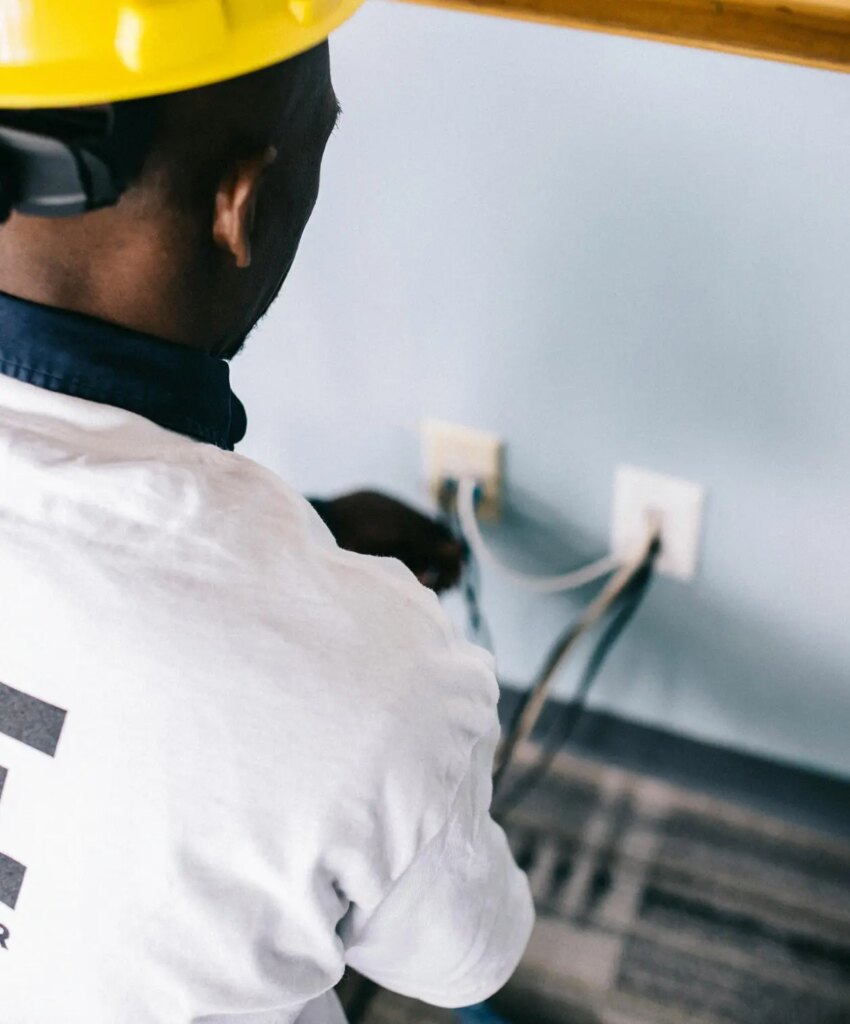
Professional Installation Requirement: Installation must be performed exclusively by qualified and certified electrical engineers or technicians. You must also seek professional assistance if you wish to move or replace the device.
What Should You Consider When Making a Decision?
When making a choice, you should consider not only the charger's specifications but also the condition of your existing electrical infrastructure:
Installation Location: If you have a closed and secure garage, you might consider models that plug into an outlet. However, if the device will be placed outdoors, you should definitely choose a model with a hardwired installation.
Expected Charging Speed: If your vehicle has a large battery capacity and you need high power to fully charge it overnight, you should take advantage of the high amp capacity offered by hard-wired systems.
Electrical Panel Capacity: Both systems will draw a significant amount of power from your existing electrical panel. You should determine in advance whether your panel can handle this additional load.
Safe Charging Infrastructure with Öznet Elektrik
Installing an electric vehicle charging station involves much more than simply running a cable. It is essential to perform a load analysis of the facility, calculate the required cable cross-section, integrate a residual current device (Type B), and ensure that the grounding values comply with international standards.
Öznet Electric We provide professional engineering services—from site surveys to design and turnkey installation—for electric vehicle charging station projects of all sizes, ranging from residential complexes to commercial plazas, parking lots, and industrial facilities.
You can contact us to receive support from our team of experts in determining the most suitable charging infrastructure for your business or living space and to request a free site survey.