



5 Critical Signs That Your Electrical Panel Needs Repair
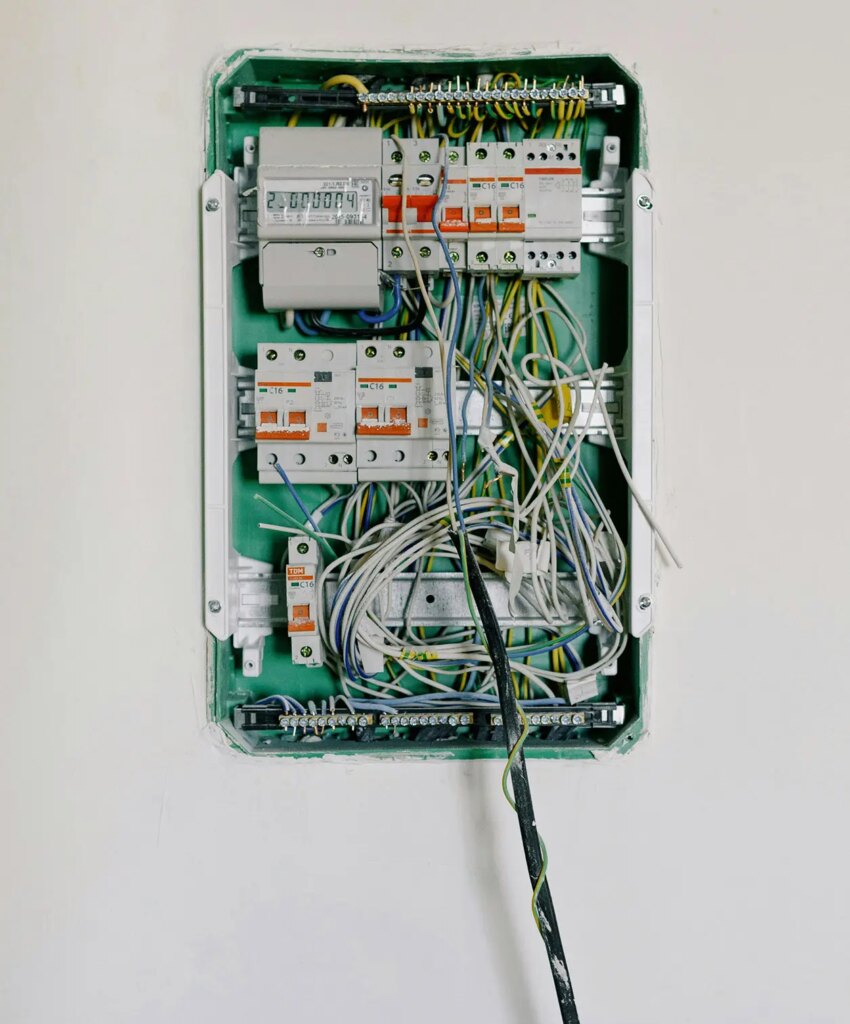
Electrical panels, which serve as the heart of commercial businesses, industrial facilities, and modern buildings, ensure the safe and balanced distribution of energy. However, these systems—which operate under constant load—can wear out over time or become inadequate in meeting increasing energy demands. A malfunctioning electrical panel not only threatens business continuity but also poses serious fire and workplace safety risks.
So, how can you tell if there’s a problem at the heart of your system? Here are the key signs that your electrical panel needs professional repair or overhaul:
1. Circuit Breakers and Fuses That Trip Frequently
When circuit breakers trip, it is the system’s built-in protection mechanism against excessive current. However, if a specific circuit breaker or main breaker keeps tripping, this indicates that there is a short circuit in your electrical system or that your panel can no longer handle the current power demand (capacity). If this problem occurs especially after new devices or machines have been added to the facility, the panel’s capacity must be updated based on engineering calculations.
2. Smell of Burning and Abnormal Heating
If you smell a pungent odor of burning plastic or wire when you open the electrical panel cover (or while you’re near it), this is an emergency. Loose connections, improperly tightened terminals, or overloaded circuits can cause cables to melt, maximizing the risk of fire. Similarly, if you feel noticeable heat when touching the panel’s surface, it is clear that the system is experiencing thermal stress.
3. Crackling or Vibration Noises
An electrical panel that is functioning properly and in accordance with standards is silent. Any continuous or intermittent crackling, buzzing, or mechanical vibration sounds coming from the panel indicate that an “arc” (electrical spark) is forming inside or that the circuit breaker contacts are oxidized and not closing properly. If such sounds are heard, immediate action must be taken to address the issue.
4. Corrosion, Rust, and Physical Damage
Rust may appear on panels located in industrial areas, in basements with high humidity, or outdoors. Rust is the clearest sign that moisture has seeped into the system. A humid environment causes electrical connections to oxidize rapidly, leading to a decrease in conductivity and an increased risk of short circuits. Control panels that have undergone physical deformation lose their insulation properties.
5. Flickering and Fluctuations in Lighting
If you experience flickering lights or voltage drops when a high-current device (such as a large compressor or industrial air conditioner) is turned on at your facility or office, the phase distribution in your electrical panel may be unbalanced. These fluctuations shorten the lifespan of sensitive electronic devices (such as data center servers) and cause circuit board failures.
Professional Solutions for Your Business Continuity
Working on an electrical panel is a process that absolutely requires expertise and engineering proficiency. Incorrect handling can lead to irreversible consequences.
At Öznet Elektrik, we perform electrical panel installations, thermal camera-based fault detection, power factor correction monitoring, and periodic maintenance for structures of all sizes—from heavy industrial facilities to corporate office buildings—in compliance with international occupational safety and health standards. When your facility’s power is secure, your business is secure.